Collector Journal
How Pokémon Collectors Read a Modern Card
Names are only the start. Pokémon collectors compare set, number, rarity, art treatment, character, and condition signals.
GrailHub·June 20, 2026
Collector Journal
Names are only the start. Pokémon collectors compare set, number, rarity, art treatment, character, and condition signals.
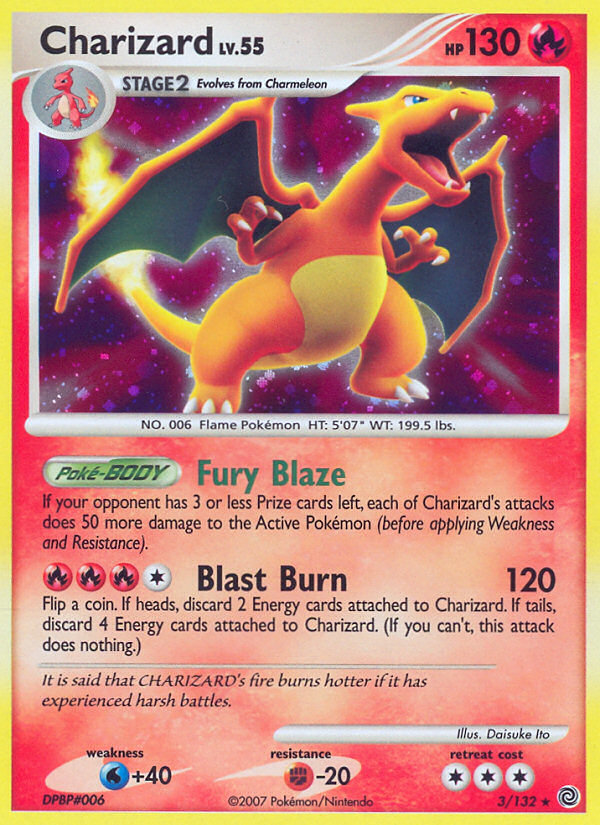
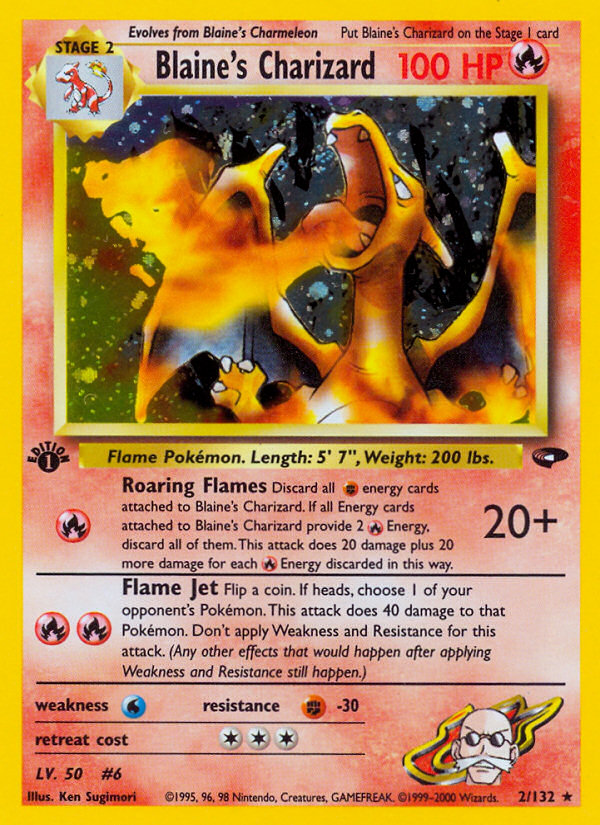
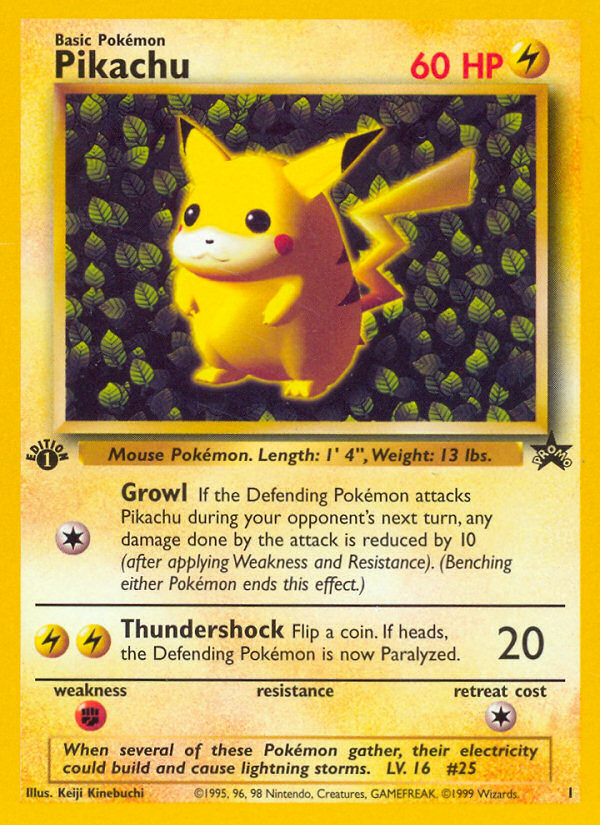
Pokémon cards look simple at first because the character name is so prominent. A Charizard is a Charizard, a Pikachu is a Pikachu, and that can feel like enough for a new collector. But card collecting becomes much more interesting when you notice that the name is only the first layer. The real identity of a card comes from the set, card number, rarity, artwork, finish, and print context.
That is why two cards with the same Pokémon can feel completely different. One might be a nostalgic binder card, another a modern illustration rare, another a competitive-era card, and another a special promo. Collectors learn to read the small signals because those signals determine how a card fits into a collection.
Set information is the first anchor. It tells you which release the card belongs to and gives you a path for browsing related cards. The card number is the next anchor. It helps distinguish similar names and connects the card to a checklist. Rarity gives another layer, but it should not be read alone. Art style, character popularity, nostalgia, condition, and personal taste all shape why a card matters.
Artwork is where the emotional pull often lives. Some collectors chase a Pokémon across eras. Others follow illustrator styles, full-art treatments, alternate art, or cards that feel especially display-worthy. In a binder, the card has to work visually. It has to earn its pocket.
A strong Pokémon collection is not just a pile of valuable cards. It can be organized by character, set, art treatment, generation, color, memory, or theme. That is where GrailHub becomes useful. You can mark what you own, build a wishlist, and create a digital path through cards that would otherwise disappear into storage boxes or binder pages.
The best starting point is simple: pick a lane. Maybe it is Charizard, Pikachu, a favorite set, or a page of cards with artwork that feels connected. Once the lane exists, the collecting gets easier and more joyful. You are no longer searching for everything. You are building a shelf with intent.
Related objects
Artifacts connected to this Journal piece.